 Language
Includes tags: Language, Pāli, Translation
2. “Could you clarify the difference between perception (saññā), mental formations (saṅkhāra) and consciousness (viññāṇa)?” Answered by Ajahn Pasanno. [Perception ] [Volitional formations] [Consciousness] // [Memory] [Mindfulness] [Translation] [Volition] [Sense bases]
5. “Sorry, I missed something. Did you say that instead of dwelling on our hindrances and getting depressed, we could instead work with the Factors of Enlightenment to brighten the mind? What are the Factors you would suggest?” Answered by Ajahn Pasanno. [Factors of Awakening] [Gladdening the mind] // [Divine Abidings] [Perfections] [Right Effort] [Hindrances]
Reflections on Unbinding as a translation of Nibbāna. [Nibbāna] [Translation] [Ajahn Ṭhānissaro]
Quote: “Practicing Dhamma is like taking a screwdriver and unscrewing something rather than putting the screwdriver in and tightening it up.” — Ajahn Chah. [Ajahn Chah] [Practicing in accordance with Dhamma] [Similes]
12. “What is meant by fools when the Buddha says, ‘Don’t associate with fools’? (Snp 2.4, Amaravati Chanting Book, p. 46)” Answered by Ajahn Pasanno. [Heedlessness] // [Pāli] [Unskillful qualities]
1. “Can you tell us about how Ajahn Chah taught Western monks when he didn’t know English?” Answered by Ajahn Pasanno. [Ajahn Chah] [History/Western Buddhist monasticism] [Teaching Dhamma] [Language] // [Similes]
Quote: “It’s just like teaching buffaloes. Pull them here, pull them there, and sooner or later they learn.” — Ajahn Chah. [Western Ajahn Chah lineage]
3. “I’m trying to be with the breath without controlling it. When I let go of control, the breath seems to accelerate so that I can’t keep up with it. Help!” Answered by Ajahn Pasanno. [Mindfulness of breathing] [Volition] // [Tranquility] [Mindfulness of body] [Pāli]
13. “How can we awaken the sense of metta within the heart and would you help me understand the beautiful image of the heart being a vessel filled with loving kindness that you bring people into rather than sending it out.” Answered by Ajahn Pasanno. [Goodwill] [Heart/mind] [Symbolism/metaphor] // [Translation]
14. “Can you please talk a little bit about merit. How do you make it? Does it have to be intentional?” Answered by Ajahn Pasanno. [Merit] [Volition] // [Translation] [Happiness]
Sutta: Iti 22: “Don’t be afraid of puñña. Puñña is another name for happiness.”
15. “There is no-self in the created or the un-created’ (Amaravati Chanting Book, p. 13). Does this statement conceal an asymmetry? Surely we investigate the created to separate from it – But can we investigate the uncreated? And if so, is it not to identify with it?” Answered by Ajahn Pasanno. [Not-self] [Unconditioned] [Self-identity view] // [Pāli] [Volitional formations] [Nibbāna]
21. “What is the difference between ignorance and delusion?” Answered by Ajahn Pasanno. [Ignorance] [Delusion] // [Translation] [Unwholesome Roots]
2. Recollection: This talk was given to a group of Western monks led by Ajahn Khantipālo paying respects to Ajahn Chah in Bangkok. Recounted by Ajahn Pasanno and Ajahn Karuṇadhammo. [Ajahn Khantipālo] [Ajahn Chah] // [Ajahn Sumedho] [Translation] [Hearing the true Dhamma]
1. “Does anyone know the Thai word that Ajahn Ṭhānissaro translates as “preoccupations?”” Answered by Ajahn Pasanno and Ajahn Jotipālo. [Thai] [Translation] [Ajahn Ṭhānissaro]
2. “Luang Ta Mahā Boowa often says, “You kill the kilesas” whereas Ajahn Chah in this talk [“Unshakeable Peace”] speaks of the path doing battle with the kilesas. Is this just the translation?” Answered by Ajahn Pasanno. [Ajahn Mahā Boowa] [Ajahn Chah] [Unwholesome Roots ] [Eightfold Path] [Teaching Dhamma]
Recollection: When Ajahn Chah would use personal pronouns, he often used we as opposed to you. [Language] [Naturalness]
1. “Why is saññā often translated as perception?” Answered by Ajahn Pasanno. [Perception] [Translation] // [Thai] [Recollection] [Aggregates]
Sutta: MN 43.5 Mahāvedalla Sutta: Conjoined not disjoined.
2. “Have you heard of saññā and saṅkhārā being translated as short-term and long-term memory?” Answered by Ajahn Pasanno. [Perception] [Volitional formations] [Translation]
7. Recollection: Ajahn Pasanno describes Ajahn Mun’s skillful use of language. Recounted by Ajahn Pasanno. [Ajahn Mun ] [Thai] [Language] [Artistic expression] [Teaching Dhamma]
Reference: Venerable Ācariya Mun Bhūridatta Thera: A Spiritual Biography by Ajahn Mahā Boowa [Fierce/direct teaching]
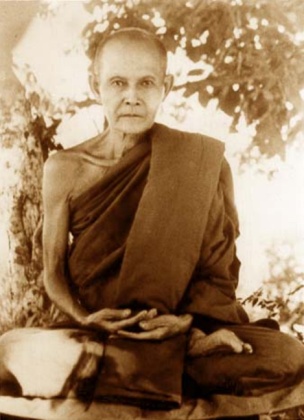
Reference: Regarding the photo in Abhayagiri’s Dhamma Hall: “This is the most warm and fuzzy picture of Ajahn Mun.”
6. “Do you have any information about what the Level 3 Pāli includes?” Answered by Ajahn Pasanno. [Education] [Pāli] [History/Thai Buddhism] // [Ajahn Chah] [Commentaries]
Story: P.A. Payutto passes the ninth level Pāli studies as a novice. [P. A. Payutto] [Learning] [Pāli] [Novices] [Ordination] [Royalty]
7. “What do monks do with [Pāli study levels]?” Answered by Ajahn Pasanno. [Education] [Pāli] [Culture/Thailand] [Study monks ] // [P. A. Payutto]
Story: Tan Chao Khun Prayoon Dhammacitto, the head of the Buddhist University in Bangkok, visits Wat Pah Nanachat. [Chao Khun Prayoon] [Learning] [Thai sects] [Wat Pah Nanachat]
Story: Ajahn Mahā Adisak, a ninth-degree Pāli scholar, spends a year at Amaravati. [Ajahn Mahā Adisak] [Amaravati] [Ajahn Sumedho]
Story: He found it difficult to translate Ajahn Amaro’s teachings to Westerners into Thai. [Ajahn Amaro] [Culture/West] [Translation] [Dhamma books]
4. “What Pāli word do you think Ajahn Geoff is translating as thought formations?” Answered by Ajahn Pasanno. [Pāli] [Translation] [Ajahn Ṭhānissaro] // [Volitional formations] [Thai]
5. “In another Ajahn Geoff translation, I have seen him use “supposings” or “fashionings.’ Is that the same word?” Answered by Ajahn Pasanno. [Ajahn Ṭhānissaro] [Translation] [Thai] // [Conventions] [Ajahn Chah] [Liberation]
1. Background information about Paul Brieter and Being Dharma. [Paul Breiter] // [Ajahn Chah] [Translation] [Dhamma books]
1. “Do you recall when Ajahn Buddhadāsa died?” Answered by Ajahn Pasanno. [Ajahn Buddhadāsa] // [Translation]
2. Ajahn Ñāṇiko speaks about the time Luang Por Liem spent at Suan Mokh. [Wat Suan Mokkh] [Ajahn Liem]
Recollection: The Thai translations in the Wat Pah Pong chanting book come from Ajahn Buddhadāsa. [Chanting] [Wat Pah Pong] [Thai] [Translation] [Ajahn Buddhadāsa]
Recollection: Ajahn Liem reads and comments on the monthly poem in the Ajahn Buddhadāsa calendar. [Artistic expression]
1. Information about Twigs and Branches of the Bodhinyana and the sections that Ajahn Kovilo reads. [Ajahn Chah lineage] [Ajahn Chah] [Dhamma books] // [Translation] [Ajahn Jundee] [Ajahn Pasanno] [Ajahn Sumedho]
14. “She talks about virtue being the other hand of discernment in the meditation experience, and whenever discernment discerns stress, virtue is what lets go of the cause of stress, that virtue does the disbanding of it. Is virtue an unusual word to use there?” Answered by Ajahn Pasanno. [Upāsikā Kee Nanayon] [Virtue] [Discernment] [Cessation of Suffering] [Dispassion] // [Pāli] [Conscience and prudence] [Ajahn Chah]
Commentary: Path of Purification by Bhikkhu Ñāṇamoli, p. 14: Many levels of sīla. [Commentaries] [Eightfold Path]
9. A retreatant expresses appreciation for the concept of non-stickiness. [Gratitude] [Release] [Nibbāna]
Response by Ajahn Pasanno. [Idealism] [Thai Forest Tradition] [Personality] [Mae Chee Kaew] [Language]
13. “What happened to Ajahn Puriso?” Answered by Ajahn Pasanno. [Ajahn Puriso] [Disrobing] // [Translation] [Dhamma books] [P. A. Payutto]
5. “Do you know Venerable Nirodha who translated this book?” Answered by Ajahn Pasanno. [Ajahn Teean] [Dhamma books] [Translation] [Ajahn Pasanno]
9. “Has the Ajahn Utane biography been translated into English?” Answered by Ajahn Pasanno. [Ajahn Tongrat] [Translation] [Ajahn Utane] [Dhamma books]
Note: Ajahn Mudito translated Ajahn Utane’s biography of Ajahn Tongrat into Portuguese in 2019. A machine translation from Portuguese to English is available on the internet.
2. “Did I understand correctly, that this talk was originally given in Lao?” Answered by Ajahn Pasanno. [Language] // [Ajahn Chah] [Thai] [Admonishment/feedback]
Story: Ajahn Pasanno translates the talk “Two Faces of Reality” for the book Bodhinyana. [Ajahn Pasanno] [Translation]
Story: Chao Khun Nor eats the same meal every day. [Chao Khun Nor] [Food] [Seclusion] [Pūjā]
8. “In that talk he [Ajahn Sim] seemed to stress doing samatha meditation before practicing vipassanā. Is that strictly held within this tradition?” Answered by Ajahn Pasanno. [Ajahn Sim] [Calming meditation] [Insight meditation] [Thai Forest Tradition] // [Tranquility] [Knowing itself] [Concentration] [Language]
Quote: “The qualities of the one pointed mind are vitakka, vicāra, pīti, sukha, and ekaggatā. … It’s not one pointed excluding. It works together, it harmonizes, it’s balanced.” — Ajahn Chah. [Ajahn Chah] [Unification ] [Right Concentration]
5. “Was there much contact between Thailand, Burma, and Sri Lanka at the time of Ajahn Mun?” Answered by Ajahn Pasanno. [History/Thai Buddhism] [History/Sri Lankan Buddhism] [History/Other Theravāda traditions] [Ajahn Mun] [Thai Forest Tradition] // [Language] [Dhamma books]
11. “What language was ‘The Ballad of the Liberation from the Khandas’ written in?” Answered by Ajahn Pasanno. [Dhamma books] [Ajahn Mun] [Language] [Thai Forest Tradition] // [Thai]
17. “One of the great gifts I’ve received over the last few years spending more time with the Bhikkhu Saṅgha is a sense of devotion, how it opens the heart. Is there a Pāli word or teaching around that principle?” Answered by Ajahn Pasanno. [Devotional practice] [Saṅgha] [Gratitude] [Pāli] [Thai Forest Tradition] // [Faculties] [Faith] [Energy]
9. Reading: Excerpt from “The Training the Heart,” Collected Teachings of Ajahn Chah, p. 509. Read by Ajahn Pasanno. [Thai Forest Tradition] // [Ajahn Sumedho] [Translation]
1. “Could you translate sati as recognizing?” Answered by Ajahn Pasanno. [Mindfulness] [Translation] [Pāli] [Mindfulness of breathing]
27. “The Buddha teaches to end suffering, but from the ordinary person’s view, cultivating the practices of forest monks is also suffering. Who is right?” Answered by Ajahn Pasanno. [Buddha] [Suffering] [Ascetic practices] // [Four Noble Truths] [Faith] [Investigation of states] [Happiness] [Feeling]
Quote: “The teaching of the Buddha isn’t about language. … The teaching of the Buddha is the language of experience.” — Ajahn Chah. [Ajahn Chah] [Language] [Dhamma] [Direct experience]
5. “In your ānāpānasati talks, you talk about sikkhita, defined as to train, and to learn from. I’m not sure how active to be because when I train, I have a goal in mind, but when I learn I’m more relaxed and open to what is revealed. Similar, today with mindfulness defined as looking after something, I’m not sure how to point the compass without coming from self view. Thank you.” Answered by Ajahn Pasanno. [Right Mindfulness] [Mindfulness of breathing] [Right Effort] [Self-identity view] // [Pāli] [Learning] [Energy] [Skillful qualities] [Unskillful qualities] [Clear comprehension]
Reference: Thus You Should Train Yourselves by Ajahn Kovilo.
4. “You spoke about ‘training the heart’ over the last couple of days. Could you tell more what ‘heart’ actually means from the point of practice? Thanks you.” Answered by Ajahn Pasanno. [Heart/mind ] // [Pāli] [Translation]
16. “Could you please speak a bit about karma and volition? For instance, if an unwholesome thought such as anger, or fear arises or wants to arise of its own accord in the mind, does one get unwholesome karma? Or is the bad karma produced only through the grasping or rejection of it? Or is bad karma produced only if action is taken? Or are different kinds of karma produced for thought vs. action?” Answered by Ajahn Pasanno. [Kamma ] [Volition] [Proliferation] [Clinging] [Right Action] // [Pāli] [Translation]
17. “Please talk about 1) whole-body breathing 2) choiceless awareness. Thank you Ajahn Pasanno and Ajahn Karuṇadhammo for wonderfully helpful talks.” Answered by Ajahn Pasanno. [Mindfulness of breathing] [Mindfulness of body] [Knowing itself] // [Language] [Discernment] [Skillful qualities] [Meditation] [Volition]
Sutta: MN 118.18 (Amaravati Chanting Book, p. 87).
20. Comment: I have enjoyed the mindfulness instruction and Dhamma talks very much. When talking about the main subject in English, could you also please use the equivalent word in Pāli? For words such as ‘the Four Noble Truths,’ ‘hindrances,’ and ‘the Four Foundations of Mindfulness,’ etc. [Pāli] [Teaching Dhamma]
3. “Would you say more about the meaning of merit (puñña)? Are there other words or definitions in English? Thanks again for your teachings.” Answered by Ajahn Pasanno. [Merit ] [Translation] // [Skillful qualities] [Happiness] [Anumodana]
12. “What is the English translation of the meal time blessing? Thank you.” Answered by Ajahn Pasanno. [Anumodana] [Translation] // [Generosity] [Merit] [Three Refuges]
Reference: Amaravati Chanting Book, p. 50
14. “I once heard a Tibetan teacher say ‘the Dharma is one.’ Can the Dhamma mean phenomena in general or am I just misunderstanding?” Answered by Ajahn Pasanno. [Dhamma ] // [Pāli]
18. “I was very fortunate to receive a Pāli name from the Saṅgha. At first, I was very energized in my practice but then I saw it as just another identity to work with, particularly from a pride and self-view side. I seldom use my Pāli name these days but I realize that I am neglecting this gift. How do I use my Pāli name skillfully in my practice?” Answered by Ajahn Pasanno. [Pāli] [Self-identity view] [Language] // [Culture/Thailand] [Ajahn Pasanno] [Ajahn Sumedho]
19. “Was Pāli ever a conversational language? Do you know of a translation of suttas that use more common, everyday words? For example, saying … letting go or releasing instead of relinquishing. I like to use simple words in the day to remind myself.” Answered by Ajahn Pasanno. [Pāli ] [History/Early Buddhism] [Sutta] [Translation ] [Language] // [Buddha/Biography] [Culture/India]
Note: Bhante Sujato’s translations (available on suttacentral.net) use less technical terms.
1. “A question regarding the 5 precepts. In daily life, I am really good about keeping #1, 2, 3 and 5; but somehow I found that the precept #4 is really hard. I find myself lying everyday such as: ‘Do I look good?’ → Yes, of course. ‘Do you want to eat some more?’ → No, thanks, I’m full (but in fact the food didn’t taste good). Or speaking at a wrong time, speaking too long, too short, too harsh or speaking with a wrong tone of voice. This is the hardest one for me. Kindly advise. Thank you.” Answered by Ajahn Pasanno. [Five Precepts] [False speech ] [Right Speech ] // [Monastic life] [Precepts ] [Pāli] [Learning]
Quote: “The function of the precepts in terms of practice is to provide a mirror so we can understand our own intentions and volitions.” [Volition]
5. “Can you define / explain saṅkhāras—mental formations? For example, what phenomena does it include? How can one evaluate what is or is not a saṅkhāra? How does it differ from the Hindu / yogic samskara? Thank you.” Answered by Ajahn Pasanno. [Volitional formations ] [Hinduism] // [Pāli] [Nature of the cosmos] [Nibbāna] [Aggregates] [Abhidhamma] [Emotion] [Directed thought and evaluation]
Reference: Amaravati Chanting Book, p. 13: Sabbe saṅkhārā aniccā.
6. “I’m wondering why the chanting says, ‘for me there is no other refuge, the Buddha is my excellent refuge,’ and the same for the Dhamma and the Saṅgha when all three are refuges. Also, why are the Dhamma and the Saṅgha referred to as ‘Lord?’ Thank you.” Answered by Ajahn Pasanno. [Chanting] [Three Refuges] // [Devotional practice] [Christianity] [Culture/West] [Translation]
Reference: Amaravati Chanting Book, p. 23.
6. “How is compassion (karuṇā) is different from loving-kindness (mettā)? Is compassion similar to empathy? I am also wondering if it means you feel the pain of the person you feel compassion for.” Answered by Ajahn Pasanno. [Compassion ] [Goodwill ] [Suffering] // [Pāli]
Reference: Amaravati Chanting Book, p. 124: Requesting a Dhamma talk.
4. “What do the Pāli terms translated as impurity and foulness mean?” Answered by Ajahn Karuṇadhammo. [Pāli] [Translation] [Aversion] [Unattractiveness] // [Etymology] [Sensual desire]
Simile: MN 119.7: Sack of grains.
Comment: Words themselves like “impure” are culturally loaded. [Language] [Cultural context] [Culture/India]
2. “Is it common for body contemplation to veer towards aversion?” Answered by Ajahn Pasanno and Ajahn Karuṇadhammo. [Mindfulness of body] [Unattractiveness] [Aversion] [Elements] // [Translation] [Not-self] [Ajahn Chah]
Sutta: MN 62.8: Mahārāhulaovāda Sutta, The Greater Discourse of Advice to Rāhula.
4. “Could you clarify ‘the body in the body?’” Answered by Ajahn Pasanno and Ajahn Karuṇadhammo. [Mindfulness of body ] [Right Mindfulness ] // [Translation] [Pāli] [Ajahn Ṭhānissaro] [Direct experience] [Self-identity view] [Elements] [Proliferation] [Perception]
References: Amaravati Chanting Book, p. 91; Right Mindfulness by Ajahn Ṭhānissaro.
1. “What does “headed by” refer to?” Answered by Ajahn Pasanno. [Concentration] [Translation] [Ajahn Ṭhānissaro] [Pāli]
3. “What word does the translator (Saddhatissa) render as “immortality?”” Answered by Ajahn Pasanno. [Translation] [Deathless]
Reference: Snp 1.4: The Farmer Bhāradvāja
5. “How does mindfulness relate to choice?” (continuing the anger question) Answered by Ajahn Pasanno. [Volition] [Aversion] [Mindfulness] [Right Effort] [Right Mindfulness] // [Discernment] [Language]
4. “Is “arising and vanishing” the same as “arising and ceasing?”” Answered by Ajahn Pasanno. [Impermanence] // [Pāli] [Conditionality]
2. “What is the Pāli word translated as disjoined or detached [in SN 47.4]?” Answered by Ajahn Pasanno. [Translation]
Comment: SuttaCentral would have the translation.
Note: The Pāli word is visaṁyuttā (SuttaCentral).
1. “Which Pāli word is translated as “fading away?”” Answered by Ajahn Pasanno. [Pāli] [Translation] [Dispassion] // [Cessation]
2. “How does nirodha differ from arising and ceasing?” Answered by Ajahn Pasanno and Ajahn Karuṇadhammo. [Cessation] [Impermanence] [Pāli] [Translation] // [P. A. Payutto] [Dependent origination]
1. “Why does the Buddha describe perception in terms of colors but consciousness in terms of tastes?” Answered by Ajahn Pasanno, Ajahn Karuṇadhammo and Ajahn Ñāṇiko. [Perception] [Consciousness] [Sense bases] // [Bhikkhu Bodhi] [Commentaries] [Ven. Anālayo] [Memory] [Feeling]
Sutta: SN 22.79: Being Devoured; footnote 114 in Bhikkhu Bodhi translation.
Follow-up: “Could you say that perception is identification whereas consciousness is more refined?” [Aggregates] [Not-self] [Self-identity view] [Rebirth] [Translation] [Similes]
1. “What is the Thai that is translated as “mind” and “mind objects?”” Answered by Ajahn Pasanno. [Thai] [Translation] [Heart/mind] [Moods of the mind] // [Ajahn Mun] [Ajahn Chah]
1. Discussion of Ajahn Ṭhānissaro’s translation “practice jhāna.” [Jhāna] [Ajahn Ṭhānissaro] [Translation] [Pāli]
Sutta: SN 47.10 Bhikkhunūpassaya Sutta, At the Nun’s Residence.
2. “What is a synonym for lassitude?” Answered by Ajahn Pasanno. [Language] // [Sloth and torpor]
3. “Are the Four Frames of Reference the same as the Four Foundations of Mindfulness?” Answered by Ajahn Pasanno. [Right Mindfulness] [Translation] // [Bhikkhu Bodhi] [Ajahn Ṭhānissaro]
1. Comments by Ajahn Pasanno and Ajahn Karuṇadhammo contrasting the canonical and commentarial approaches to breath meditation. [Sutta] [Commentaries] [Mindfulness of breathing] // [Ajahn Ṭhānissaro] [Pa Auk Sayadaw] [Culture/Sri Lanka] [Culture/Thailand] [Pāli] [Ajahn Pasanno]
Sutta: MN 44.14 identifies in-and-out breathing as the bodily fabrication/conditioner (saṅkhāra).
3. “Are any of the lists in this sutta (MN 95.14; MN 95.20) explained in other suttas?” Answered by Ajahn Pasanno and Ajahn Ñāṇiko. [Sutta] // [Bhikkhu Bodhi]
Reference: P.A. Payutto’s Dictionary of Numerical Dhammas (in Thai). [P. A. Payutto] [Tipiṭaka] [Pāli]
Explanation of volume and page numbers in the Pāli Tipiṭaka. [Pāli]
Comment by Debbie Stamp: Similar listings often refer to the gradual training. [Gradual Teaching]
Sutta: MN 107: Gaṇakamoggallāna Sutta.
Sutta: MN 47: Vīmaṃsaka Sutta.
1. Explanation of sāmisa and nirāmisa. Teaching by Ajahn Pasanno. [Feeling] [Pāli] // [Translation]
1. Meaning of “will become cool right here?” Answered by Ajahn Karuṇadhammo and Ajahn Pasanno. [Feeling] // [Characteristics of existence] [Knowledge and vision] [Nibbāna] [Pāli]
1. Discussion of the meaning of papañca in AN 8.30 and various other suttas. [Pāli] [Translation] [Proliferation] [Perception] // [Great disciples] [Liberation] [Conditionality] [Directed thought and evaluation] [Language]
Suttas: Snp 4.11: Kalahavivāda Sutta and DN 21: Sakkapañha Sutta in which papañca precedes thinking.
Reference: Skill in Questions by Ajahn Ṭhānissaro, p. 85.
Suttas: MN 19: Dvedhāvitakka Sutta; MN 20: Vitakkasaṇṭhāna Sutta.
Reference: Concept and Reality in Early Buddhist Thought by Bhikkhu Ñāṇananda
2. Translation of phassapaññattiṃ paññāpessatīti (manifestation, delineation). Teaching by Ajahn Karuṇadhammo, Ajahn Pasanno and Ajahn Kaccāna. [Pāli] [Translation] [Proliferation] [Perception] // [Bhikkhu Bodhi] [Commentaries] [Ajahn Ṭhānissaro]
13. “Is bhavadiṭṭhi the same word as cultivation (bhāvanā)?” Answered by Ajahn Pasanno. [Becoming] [Views] [Meditation] [Pāli] [Not-self] // [Etymology]
3. “I’ve been confused between intention and desire. For me, desire arises from non-conceptual craving.” Answered by Ajahn Pasanno. [Volition] [Craving] [Desire] [Language] // [Cause of Suffering] [Right Effort] [Happiness] [Kamma] [Pāli]
8. “What to do when you have a lot of freedom in your mind, but in your body you’re stuck with a bad habit?” Answered by Ajahn Pasanno. [Desire] [Liberation] [Heart/mind] [Body/form] [Habits] [Craving] // [Direct experience] [Meditation/Techniques] [Translation] [Mindfulness of breathing]
9. “Could you speak to how we sink into a place and you lift yourself with brightness?” Answered by Ajahn Pasanno. [Gladdening the mind] // [Concentration] [Meditation] [Language] [Spaciousness]
10. “Any advice for cures for burnout? I’m in a helping profession and feel depleted and exhausted. I need help getting the balance between giving and receiving.” Answered by Ajahn Pasanno. [Depression] [Work] [Health] [Generosity] [Compassion ] // [Culture/West] [Idealism] [Commentaries] [Selfishness]
Quote: “Compassion in the English language means ‘to suffer with.’ If you end up suffering with too much, you end up burnt out.” [Language] [Suffering]
Quote: “Don’t think you’re a ten-wheeled dump truck when all you are is a wheelbarrow.” — Ajahn Chah. [Ajahn Chah]
Commentary: Path of Purification by Bhikkhu Ñāṇamoli, p. 291: Classical cultivation of goodwill and compassion, first to yourself. [Goodwill]
Quote: “Our ability to be with others and to help and to give is dependent on our being kind and compassionate to ourselves.” [Spiritual friendship] [Self-reliance ]
3. “A lot of my life has been based on guilt, punishment, achievement, feeling driven, and perfectionism. Recently I experienced the reverse of this. Perfectionism is mixed up with wholesome desire. Could you respond?” Answered by Ajahn Pasanno. [Guilt/shame/inadequacy] [Judgementalism] [Perfectionism] [Desire] [Contentment] // [Discernment] [Self-identity view] [Human]
Story: Ajahn Pasanno can’t translate the question ‘How do I work with guilt?’ into Thai. [Ajahn Paññānanda] [Ajahn Pasanno] [Language] [Culture/West] [Culture/Thailand] [Suffering]
5. “Do we have any control over the arising of desire?” Answered by Ajahn Pasanno. [Volition] [Desire] // [Cause of Suffering] [Relinquishment] [Four Noble Truths] [Cessation of Suffering] [Cessation] [Pāli]
1. “Could you clarify the difference between mindfulness and concentration?” Answered by Ajahn Pasanno and Ajahn Karuṇadhammo. [Mindfulness] [Concentration ] // [Nature of mind] [Pāli] [Translation]
Follow-up: “You said earlier that mindfulness always comes before concentration, but based on what you just defined, I would think it would be the opposite.” Answered by Ajahn Pasanno.
16. “The rapture and joy that are being described are not pleasure, right?” Answered by Ajahn Pasanno. [Rapture] [Happiness] [Jhāna] // [Pāli]
Commentary: Path of Purification by Bhikkhu Ñāṇamoli, p. 139 [Similes]
1. “What is the difference between ekaggatā and vitakka?” Answered by Ajahn Pasanno. [Unification] [Directed thought and evaluation] [Pāli] [Jhāna] // [Right Concentration]
12. “Ajahn Chah talks about the one who knows. Is this a purely mental exercise or is it embodied?” Answered by Ajahn Pasanno. [Ajahn Chah] [Knowing itself ] [Mindfulness of body] [Jhāna] // [Culture/West] [Nature of mind]
Quote: “The Thai Krooba Ajahns translate ‘Buddho’ as ‘being the one who knows.’” [Thai Forest Tradition] [Buddho mantra] [Translation]
7. “In a nutshell, what is the English translation of the meal blessing?” Answered by Ajahn Pasanno. [Anumodana] [Chanting] [Translation] // [Merit] [Similes] [Generosity] [Three Refuges]
8. “Could you offer a bit of advice on how to deal with the apparent dichotomy between seeing people (including myself) as real & solid (for example when sending them metta), and the doctrine of no-self whereby there is no such imagined solidity at all – just an ever-changing combination of the khandas?” Answered by Ajahn Pasanno. [Not-self ] [Aggregates] // [Middle Path] [Pāli] [Impermanence] [Proliferation] [Relinquishment] [Liberation]
12. “Could you describe the meaning of abide, pervading, and imbued in the phrase ‘I will abide pervading one quarter with a mind imbued with lovingkindness’ (Amaravati Chanting Book, p. 43)?” Answered by Ajahn Pasanno. [Goodwill] [Language] // [Chanting] [Translation] [Ajahn Ṭhānissaro]
Reference: Amaravati Chanting Book, p. 41: Reflection on Universal Well-Being.
13. “Does the breath body exist as an object of mind? As the Buddha mentions it so specifically, I would be grateful for more clarification on the ‘breath body.’” Answered by Ajahn Pasanno. [Mindfulness of breathing] // [Volitional formations] [Pāli] [Energy]
Reference: Amaravati Chanting Book, p. 129: “I undertake the precept to refrain from taking the life of any living creature.”
1. “What are the consequences of breaking a precept?” Answered by Ajahn Pasanno. [Precepts ] // [Pāli] [Learning] [Volition] [Ajahn Chah]
The root of hiri and otappa. [Conscience and prudence ] [Pāli] [Translation] [Truth] [Kamma] [Respect]
13. “What is the difference between a fetter and a hindrance?” Answered by Ajahn Pasanno and Ajahn Karuṇadhammo. [Fetters ] [Hindrances ] // [Pāli] [Stream entry] [Tranquility] [Attachment to precepts and practices] [Stages of awakening] [Saṃsāra]
19. “Can you please explain mindfulness or awareness of consciousness? I can understand consciousness arising as a result of stimuli entering the sense doors, but how does one become aware of consciousness itself? Or is this the right question about consciousness?” Answered by Ajahn Pasanno. [Mindfulness of mind] [Consciousness ] [Sense bases ] [Nature of mind] // [Language] [Pāli]
2. “How could you accomplish studying Buddhism in Thailand with Luang Por Chah? How did Luang Por Chah teach you as a you were a foreigner new monk? How did you cope with the language issue?” Answered by Ajahn Pasanno. [Ajahn Pasanno] [Ajahn Chah ] [Teaching Dhamma] [Monastic life] [Language] // [Culture/Thailand] [Patience] [Wat Pah Pong] [Novices]
Quote: “It’s just like teaching buffaloes.” — Ajahn Chah. [Western Ajahn Chah lineage] [Similes]
Quote: “Dhamma is not about the words, about the concepts, about the ideas. It’s about the experience.” — Ajahn Chah. [Dhamma ] [Language] [Direct experience ]
15. “Can you clarify the difference between desire and intention? It seems that either could lead to suffering due to attachments to the results. Yet we are encouraged to have intentions for well-being, health, happiness, etc. Isn’t our intention also a desire?” Answered by Ajahn Pasanno. [Desire ] [Volition ] [Clinging] [Cause of Suffering] // [Pāli] [Kamma] [Craving ] [Bases of Success] [Sensual desire] [Energy]
Sutta: SN 56.11.5: Dhammacakkappavattana Sutta (Chanting Book translation)
1. “In working with the Four Noble Truths, to understand suffering, does the Buddha mean knowing for instance the pain in your heart, the stress around your eyes, or does he also mean to see with insight its karmic effect on yourself and others?” Answered by Ajahn Pasanno. [Four Noble Truths] [Noble Truth of Suffering] [Kamma] // [Suffering] [Pāli] [Happiness]
12. “Can you please explain the āsavas?” Answered by Ajahn Pasanno. [Outflows ] // [Rebirth] [Suffering] [Translation]
13. “Please speak a little about kataññu.” Answered by Ajahn Pasanno. [Gratitude ] // [Human] [Pāli] [Merit]
Reference: Amaravati Chanting Book, p. 33: Verses of Sharing and Aspiration
Story: Ajahn Liem gives Abhayagiri a handwritten essay about gratitude. [Ajahn Liem] [Wat Pah Pong] [Ajahn Chah] [Personality] [Generosity] [Abhayagiri] [Asking forgiveness ceremony] [Dhamma books]
Reference: English translation: Gratitude by Ajahn Chah Saṅgha, p. 9.
13. “How important is chanting for one’s practice? Do you have any tips for how to recite/remember the Pāli chants?” Answered by Ajahn Pasanno. [Chanting ] [Memory] [Pāli] // [Monastic life] [Recollection] [Devotional practice] [Energy] [Thai Forest Tradition] [Long-term practice] [Dhamma recordings] [Posture/Walking] [Almsround] [Mindfulness]
Story: Ajahn Mun would chant for over an hour each evening before he started meditating. [Ajahn Mun] [Monastic routine]
Suttas: AN 10.60 Girimānanda Sutta; SN 56.11: Dhammacakkappavattana Sutta (Chanting Book translation).
Story: The evening program at Wat Fah Krahm is three hours of chanting followed by a three-hour sit. [Wat Fah Krahm] [Meditation] [Ajahn Kovilo]
Reference: Amaravati Chanting Book, p. 138: Rhythm of the Pāli language. [Pāli]
Sutta: SN 48.9: Mindfulness related to memory.
3. “Can you please speak about faith? How to develop it? How to maintain it through the ups and downs of practice? How have you maintained your faith over forty years of practice?” Answered by Ajahn Pasanno. [Faith ] [Long-term practice] [Ajahn Pasanno] // [Language] [Ajahn Chah] [Patience] [Mindfulness]
22. “In the Ānāpānasati Sutta, what is meant by ‘breathing in/out tranquilizing the mental formation?’” Answered by Ajahn Pasanno. [Mindfulness of breathing] [Volitional formations] // [Translation]
1. Reflections by Ajahn Karuṇadhammo about the apaṇṇaka dhammas. [Incontrovertible practices] // [Devotion to wakefulness] [Meditation retreats] [Energy] [Moderation in eating] [Sense restraint]
Comment: Appaṇṇaka can also be translated as ‘a safe bet.’ [Translation] [Ajahn Ṭhānissaro]
3. Comments about the translation of saṃvega as fear, terror, or awe. Contributed by Ajahn Ñāṇiko and Ajahn Karuṇadhammo. [Spiritual urgency] [Translation] [Fear]
1. Discussion about desire as natural and the reduction and eventual elimination of desire. Led by Ajahn Karuṇadhammo. [Desire] [Sensual desire] [Naturalness] [Craving] // [Aversion] [Cause of Suffering] [Judgementalism] [Cessation of Suffering]
Reference: “Why Come to a Monastery?” by Ajahn Candasirī in Friends on the Path by Ajahn Sundarā and Ajahn Candasirī, pp. 13-21.
The word natural carries positive connotations in English. Comment by Ajahn Kaccāna. [Language] [Culture/West]